


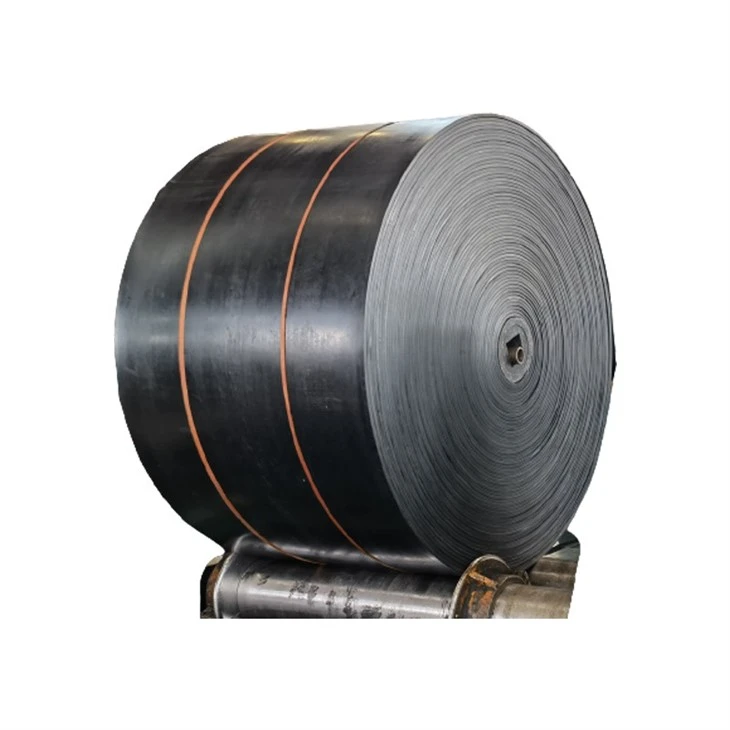
Smooth Conveyor Belt
Our products cover Auto Transmission belts such as cogged V-belts, Ribbed V-belts, timing belts, Industrial transmission belts such as REL&REP belts, etc.
We support both wholesale and OEM/ODM services, renowned for our competitive pricing and high-quality standards.
A manufacturer with 15 years of experience in conveyor belt production.
Smooth Conveyor Belt
Introduction
Our conveyor belt boasts a flawlessly smooth surface, reducing friction and minimizing the risk of damage to delicate goods during transportation. This feature ensures that products move smoothly along the belt, eliminating the need for manual adjustments and reducing downtime.
A smooth conveyor belt is a material handling system that moves materials, supplies, and components efficiently and with little effort. They are used in many industries, including mining, carpentry, food, construction, recycling, agriculture, and automotive.
Benefits of Investing in a Conveyor Belt
Investing in a conveyor belt for your business can significantly enhance the manufacturing process, offering several key advantages:
By automating the movement of production lines, conveyor belts ensure that tasks are completed quickly and accurately. This automation helps reduce manual labor costs and allows employees to focus on other essential tasks, such as quality control and customer service.
The automated operation of conveyor belts minimizes the need for workers to manually handle large items or lift heavy loads. This significantly improves safety on the production floor, lowering the risk of accidents and injuries.
Conveyor belts streamline the production process, leading to lower labor costs and minimizing shipping or transportation expenses. Over time, these efficiencies can result in substantial cost savings for businesses.
Conveyor belts facilitate the rapid and efficient movement of goods, resulting in increased production output with fewer resources. This enhancement contributes to a more efficient manufacturing process overall.
Conveyor belts can easily be integrated with other automated systems, such as robots, to further optimize the production process. This combination enhances workflow and maximizes productivity.
Investing in a conveyor belt can provide your business with improved efficiency, safety, and cost-effectiveness, ultimately leading to greater success in your operations.
materials of Conveyor Belt
Rubber
- Description: Rubber conveyor belts are durable and flexible, making them suitable for heavy loads and harsh environments.
- Applications: Often used in mining, agriculture, and manufacturing due to their excellent abrasion resistance and ability to handle bulk materials.
Polyurethane (PU)
- Description: Polyurethane belts are lightweight, flexible, and resistant to oil, chemicals, and wear.
- Applications: Commonly used in food processing and packaging, as they are also non-toxic and comply with food safety regulations.
Polyvinyl Chloride (PVC)
- Description: PVC conveyor belts are known for their strength, durability, and resistance to moisture and chemicals.
- Applications: Widely used in light to medium-duty applications, such as material handling and packaging.
Fabric
- Description: Fabric belts are typically made from woven materials such as polyester, nylon, or cotton, often reinforced with rubber.
- Applications: Suitable for lighter loads and are often used in packaging, assembly lines, and small parts handling.
Silicone
- Description: Silicone belts are flexible and can withstand extreme temperatures, both hot and cold.
- Applications: Used in applications that require resistance to high temperatures, such as food processing and cooking equipment.
Elastomer
- Description: These belts are made from synthetic rubber materials that offer flexibility and strength.
- Applications: Suitable for various applications where a high degree of flexibility and durability is needed.
Steps to Create a Custom Conveyor Belt
Assess Needs
- Identify what materials you'll be transporting and their size/weight.
- Check the space available for the conveyor system.
Design Specification
- Choose the type of conveyor belt (flat, modular, etc.).
- Decide on the width and length of the belt.
- Select materials (like rubber or PVC) based on durability needs.
System Integration
- Determine the layout (straight, curved, inclined) and necessary components (like pulleys and rollers).
Prototyping
- Create a prototype to visualize the design.
- Test the prototype to ensure it works as intended.
Manufacturing
- Select a manufacturer that specializes in custom conveyor belts.
- Start the production process based on your design.
Keeping Your Conveyor Belt in Top Condition
Investing in a high-quality conveyor belt is just the beginning of ensuring efficient operations for your business. To maximize its lifespan and ensure smooth performance, regular maintenance is crucial.
To maintain your conveyor belt effectively, conduct routine inspections for debris or damage. This includes checking the track, rollers, and pulleys, as any issues in these areas can impact performance. Additionally, be sure to examine fasteners for looseness and look for any worn components that may need tightening or replacement.
FAQ
Q: Are high temperature resistant conveyor belts suitable for continuous use?
A: Yes, high temperature resistant conveyor belts are designed to withstand continuous use in high-temperature environments without compromising their performance or integrity.
Q: What are the key features of a high temperature resistant conveyor belt?
A: Key features of high temperature resistant conveyor belts include excellent heat resistance, high tensile strength, low elongation, good flexibility, and resistance to wear and tear.
Q: Can high temperature resistant conveyor belts be customized according to specific requirements?
A: Yes, high temperature resistant conveyor belts can be customized to meet specific requirements, such as width, length, thickness, and the type of material used based on the application and operating conditions.
Q: How do high temperature resistant conveyor belts handle extreme temperatures?
A: High temperature resistant conveyor belts are manufactured using specialized materials and construction techniques that enable them to maintain their physical properties and functionality even under extreme heat conditions.
If you want to know more about smooth conveyor belt , please contact us as soon as possible!
Hot Tags: smooth conveyor belt, China smooth conveyor belt manufacturers, suppliers, factory
Send Inquiry
