
Your Professional NN Conveyor Belt Manufacturer in China!
Our factory is a professional factory producing rubber belts, We are one of the leading manufacturers in the research, design, manufacturing, and distribution of various power transmission belts in China.
Why Choose Us
Wide Product Range
Our products cover Auto Transmission belts such as cogged V-belts, Ribbed V-belts, timing belts, Industrial transmission belts such as REL&REP belts, etc.
Broad Market
Our products are exported to dozens of countries/regions in Southeast Asia, the Middle East, Africa, and the United States.
Advanced Equipment
Our factory independently manufactures and improves equipment, adheres to technological innovation, and independently develops and introduces advanced equipment.
Professional Service
We have an experienced and professional customer support team to provide flexible service to customers around the world, giving full support from product design to marketing.
-

NN500 Conveyor Belt
The combination of Nylon in the warp and weft of a NN500 Conveyor Belt is frequently utilized in Add to Inquiry -
EP630 Conveyor Belt
EP630 conveyor belt is also known as high strength conveyor belt because to the great strength of Add to Inquiry -
Checkered Conveyor Belt
The Checkered Conveyor Belt is a versatile and reliable product designed to meet the diverse needs Add to Inquiry


Definition of NN Conveyor Belt
NN conveyor belt is also called nylon conveyor belt skeleton force body for NN canvas (vertical and horizontal are nylon). Nylon is one of the best-quality synthetic fibers. Conveyor belts with nylon canvas inside have the characteristics of a thin belt body, high tensile strength, good shock resistance, good trough ability, high adhesion between plies, splendid flexibility and long working life. Nylon conveyor belts are suitable for medium, long-distance, and heavy-load transportation of materials, widely used in mining, metallurgical industry architectural industry, ports, etc.

How Do NN Conveyor Belts Work

NN conveyor belts are a continuous loop of material that are driven by a system of pulleys or drives to carry goods. They are used in a variety of material handling applications, including food and beverage processing, manufacturing, mining, packaging, and power transmission. A conveyor belt works by using two motorized pulleys that loop over a long stretch of thick, durable material. When motors in the pulleys operate at the same speed and spin in the same direction, the belt moves between the two. If objects are particularly heavy or bulky — or if the conveyor belt is carrying them for a long distance or duration — rollers may be placed on the sides of the conveyor belt for support.
Features of NN Conveyor Belts
NN conveyor belts, also known as Nylon/Nylon conveyor belts, are popular in various industries due to their durability and strength. Here are some features of NN conveyor belts:
Material: NN conveyor belts are made from a combination of nylon fabric plies, which provide high tensile strength and excellent resistance to impact and abrasion.
High Tensile Strength: The nylon fabric used in NN conveyor belts offers superior strength, making them suitable for heavy-duty applications and long-distance conveying.
Low Stretch: NN conveyor belts have low elongation characteristics, ensuring stable and consistent performance even under high tension loads.
Good Flexibility: Despite their high tensile strength, NN conveyor belts remain flexible, allowing for smooth operation and easy adaptation to various conveyor systems.
Impact Resistance: The construction of NN conveyor belts makes them resistant to impact and shock loads, preventing damage and ensuring reliable operation in rugged environments.
Abrasion Resistance: The nylon fabric plies in NN conveyor belts provide excellent resistance to abrasion, extending the belt's lifespan and reducing maintenance costs.
Weather Resistance: NN conveyor belts are designed to withstand various weather conditions, making them suitable for both indoor and outdoor applications.
Long Service Life: Due to their durability and resistance to wear and tear, NN conveyor belts offer a long service life, reducing downtime and maintenance requirements.
Wide Range of Applications: NN conveyor belts are versatile and can be used in industries such as mining, cement, steel, construction, agriculture, and many others that require reliable and efficient conveyor systems.
Available in Various Grades: NN conveyor belts come in different grades to suit specific application requirements, such as heat-resistant, oil-resistant, flame-retardant, etc.
Advantages of NN Conveyor Belts
Economical
One of the biggest benefits of NN conveyor belts is their cost of manufacturing. It is actually quite economical to produce. Therefore, it is an excellent investment for warehouses and material-handling organizations.
Easy To Stock
Due to the low cost of production, it is convenient for warehouses to stock more parts of the conveyor belt. Thus, they have instant access to spare parts and components in the event of repair or breakdown.
Designed To Handle Heavy-Duty Loads
Most NN belt conveyors are made using injection moulding. The major advantage of using this method is that there are few to no limitations when it comes to designing a part. Hence, plastic conveyors designed this way can be optimized to handle heavy loads and be extremely durable.
Material Characteristics Can Be Customized
Another major benefit of NN modular conveyor belts is the flexibility in terms of manufacturing the parts. Conveyor belt components can be customized to fit your particular requirements. For instance, it can be made more rigid or flexible, or it can be designed to be more high-friction or low-friction. These modifications will have a significant impact on the operation, so it is important to be clear on the design requirements.
Types of NN Conveyor Belts
NN conveyor belts, which are composed of nylon fabric plies, come in different types to suit various industrial applications. Here are some common types of NN conveyor belts:
General-Purpose NN Conveyor Belts
These belts are well-suited for a wide range of applications in industries such as manufacturing, mining, agriculture, and logistics. They offer good strength, durability, and flexibility.
Heat-Resistant NN Conveyor Belts
Designed to withstand high temperatures, heat-resistant NN conveyor belts are suitable for conveying materials in industries like foundries, steel mills, and glass plants.
Oil-Resistant NN Conveyor Belts
These belts are resistant to various oils and greases, making them ideal for applications in industries such as automotive, recycling, and waste management where oil contamination is a concern.
Flame-Resistant NN Conveyor Belts
Used in industries where fire safety is a priority, flame-resistant NN conveyor belts have properties that prevent or slow down the spread of flames in case of a fire.
Cold-Resistant NN Conveyor Belts
Designed to perform optimally in cold environments, these belts are used in industries like food processing, cold storage facilities, and winter sport equipment manufacturing.
High Abrasion-Resistant NN Conveyor Belts
These belts are reinforced to withstand abrasive materials and harsh operating conditions, making them suitable for industries such as mining, aggregate handling, and construction.
Chemical-Resistant NN Conveyor Belts
Manufactured with materials that resist chemical exposure, these belts are used in industries dealing with chemicals, fertilizers, and other corrosive substances.
Hygienic NN Conveyor Belts
Designed to maintain high sanitation standards, hygienic NN conveyor belts are used in industries where cleanliness and contamination control are crucial, such as pharmaceutical and medical device manufacturing.
Applications of NN Conveyor Belts
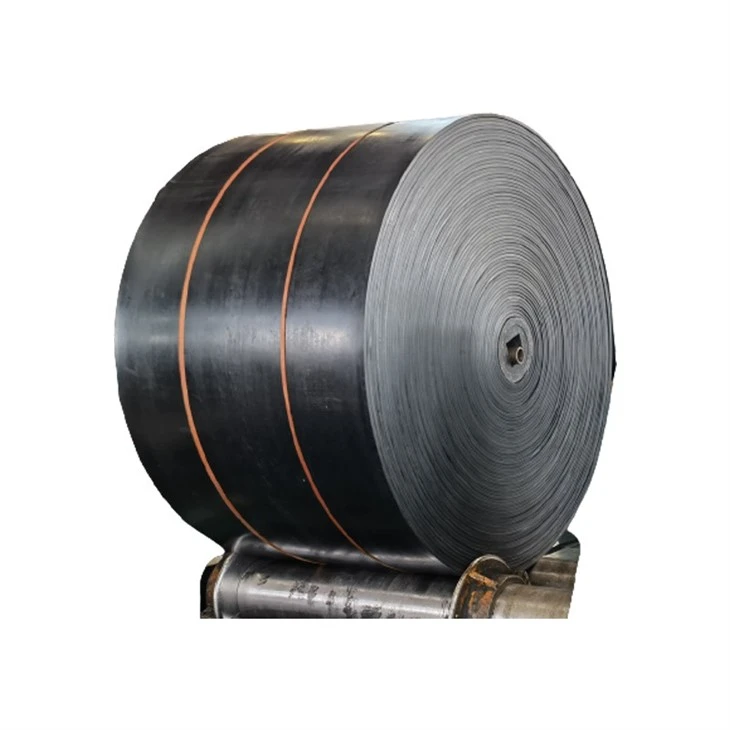


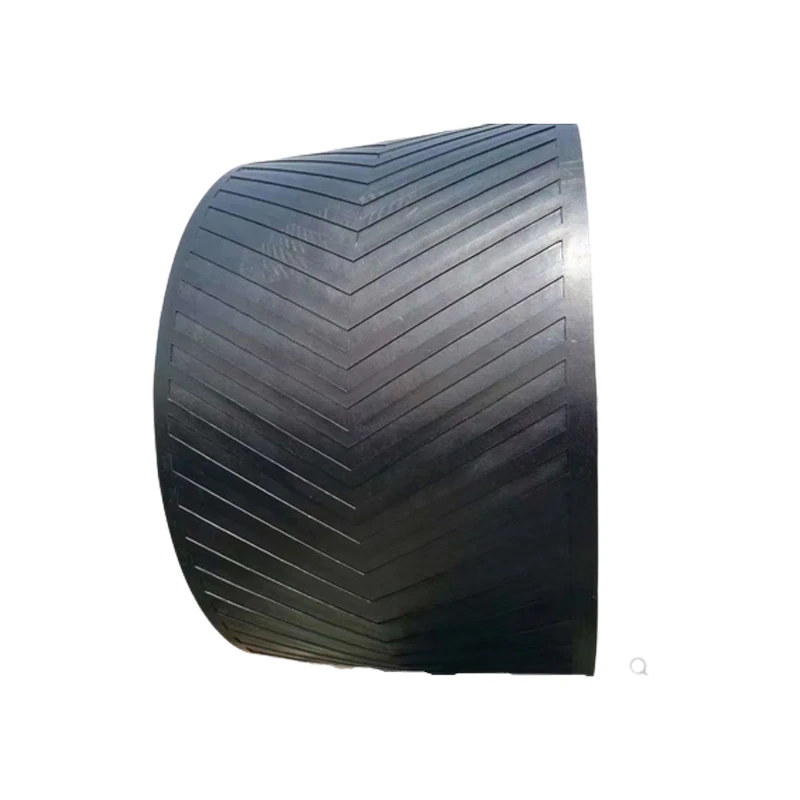
NN conveyor belts are versatile and find applications across various industries due to their durability and strength. Here are some common applications of NN conveyor belts:
Mining Industry: NN conveyor belts are used in mining operations for transporting materials such as coal, ore, and aggregates. They can withstand heavy loads and harsh conditions in mines.
Steel Industry: These belts are employed in steel plants for handling raw materials, such as iron ore and coal, as well as transporting finished products in the steel production process.
Cement Industry: NN conveyor belts are utilized in cement plants for conveying materials like limestone, clay, gypsum, and clinker. These belts can handle high temperatures and abrasive materials.
Agricultural Sector: In agriculture, NN conveyor belts are used for applications like grain handling, seed processing, and fertilizer transportation in facilities such as grain elevators and processing plants.
Construction Sector: NN conveyor belts are deployed at construction sites for moving materials like sand, gravel, and concrete. They are suitable for the heavy-duty demands of the construction industry.
Recycling Facilities: NN conveyor belts are used in recycling plants for sorting, handling, and processing various recyclable materials like glass, paper, plastic, and metal.
Automotive Industry: These belts find application in automotive plants for conveying materials during assembly lines, including parts like engines, tires, and components across different stages of production.
Ports and Logistics: NN conveyor belts play a crucial role in ports and logistics operations for loading and unloading cargo from ships, trucks, and warehouses. They aid in efficient material handling.
Food Processing Industry: In food processing plants, hygienic NN conveyor belts are used to transport food products safely, maintaining high cleanliness standards and complying with food safety regulations.
Warehousing and Distribution Centers: NN conveyor belts are utilized in warehouses and distribution centers for transporting goods and products within the facility, facilitating fast and systematic inventory movement.
How to Choose the Right NN Conveyor Belt
Dimensions
Determining the dimensions of the conveyor belt is the most important step. By accurately gathering the available dimensions, belting representatives are immediately able to rule out certain belt options and settle on the most viable choices.
Product Specifications
Which type of conveyor belt will be most appropriate depends heavily on the types of products it will be transporting. It is specifically important to note the following factors:
● Conveyor belts can bend or warp under the weight of heavy materials, so it is vital to choose a belt that is specifically designed to carry the weight of your product.
● In order to prevent products from becoming entangled in the conveying machine or falling off the side of the belt, the belt should be sized such that the products can comfortably fit on its surface.
● To ensure the longevity of the belt, consider the material of the products themselves—for example, the sharp edges of metal products can damage a belt that is not designed to withstand wear and tear.
Decline and Incline Requirements
If the conveyor belt will need to operate on inclines or declines, it is possible that products will slip and render the belt ineffective. In order to avoid this scenario, additions such as stoppers or grippers can be highly beneficial to ensure that objects stay in place.
Environmental Conditions
Not all conveyor belts are able to withstand extreme temperatures or product spills. As such, understanding the type of environment in which the conveyor will be placed, as well as what types of materials it will transport, is a vital step in choosing the appropriate belt.
Maintenance Tips for NN Conveyor Belt
NN conveyor belts are used in a variety of industries to transport materials from one location to another. They are durable and efficient machines that require regular maintenance and occasional repairs to function at their best.
Maintenance of NN Conveyor Belts
● Cleaning: NN conveyor belts need to be cleaned regularly to remove any debris or buildup that can cause damage or malfunction. Use a scraper or brush to remove any dirt, dust, or other particles that may have accumulated on the belt. A vacuum or compressed air can also be used to clean the conveyor belts.
● Lubrication: NN conveyor belts need to be lubricated regularly to ensure smooth and efficient operation. Use a lubricant recommended by the manufacturer, and apply it according to the instructions provided.
● Tensioning: NN conveyor belts need to be properly tensioned to prevent slippage and ensure efficient operation. Check the tension regularly, and adjust it as needed.
● Inspections: Regular inspections are essential to ensure that conveyor belts are functioning properly. Inspect the belts for signs of wear or damage, such as cracks or frayed edges, and replace any damaged belts immediately.
● Alignment: Conveyor belts need to be properly aligned to prevent excessive wear and tear. Check the alignment regularly, and adjust it as needed.
● Tracking: Conveyor belts can sometimes become misaligned or "run off track." Use a tracking device or adjust the idlers to ensure that the belt stays in the correct position.
● Training: Train your employees on the proper use and maintenance of conveyor belts to ensure safe and efficient operation.
Repairs of NN Conveyor Belts
● Belt Replacement: NN conveyor belts have a limited lifespan and will eventually need to be replaced. When replacing a belt, make sure to use a belt that is compatible with the conveyor system and follow the manufacturer's instructions for installation.
● Belt Splicing: Conveyor belts can sometimes become damaged or develop a tear. In these cases, belt splicing can be used to repair the belt. Belt splicing involves cutting the damaged section of the belt and attaching a new section using adhesive or heat.
● Idler Replacement: Idlers are used to support the conveyor belt and can become worn or damaged over time. Replace any damaged or worn idlers to ensure smooth and efficient operation.
● Motor Replacement: Conveyor belts are powered by motors, which can sometimes fail or become damaged. When this happens, the motor will need to be replaced.
● Pulley Replacement: Pulleys are used to drive the conveyor belt and can become worn or damaged over time. Replace any damaged or worn pulleys to ensure smooth and efficient operation.
● Frame Repair: Conveyor belt frames can become damaged or corroded over time. Repair any damage to the frame to ensure the proper alignment and tension of the belt.
Proper maintenance and occasional repairs are essential to ensure the longevity and reliability of conveyor belts. Regular cleaning, lubrication, tensioning, inspections, alignment, tracking, and employee training can help prevent damage and ensure safe and efficient operation. When repairs are needed, it is important to follow the manufacturer's instructions and use the appropriate tools and equipment. By following these guidelines, you can help ensure the proper functioning of your conveyor belts and prevent downtime and costly repairs.
Our Factory
Our factory is a professional factory producing rubber belts.

Ultimate FAQ Guide to NN Conveyor Belt
We're well-known as one of the leading nn conveyor belt manufacturers and suppliers in China. If you're going to buy or wholesale cheap nn conveyor belt, welcome to get free sample from our factory. All our products are with high quality and competitive price.
